
Category: Kunst (Page 2 of 2)

Hydra Decapita, by The Otolith Group (2010)

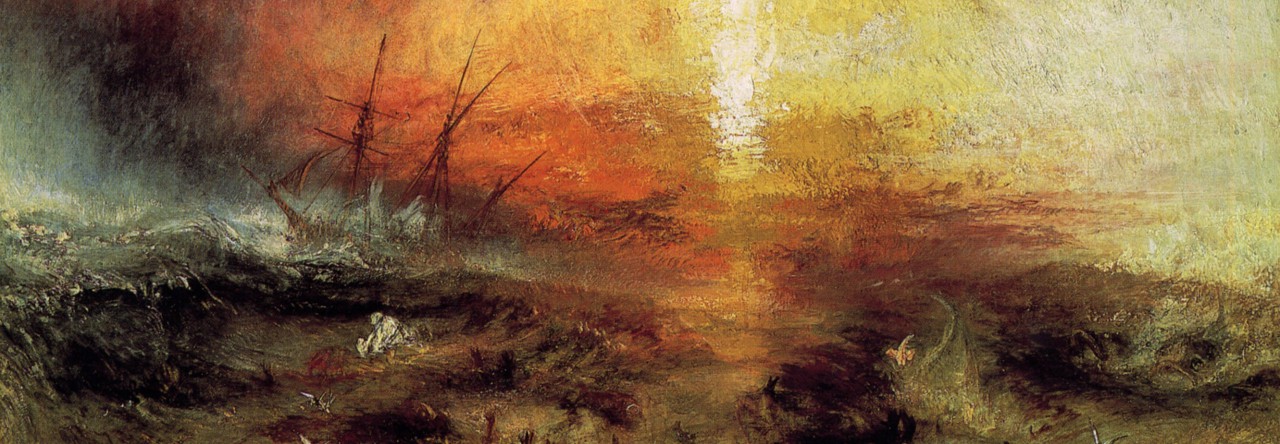
The first installment in a trilogy of film essays, Hydra Decapita uses the imaginary world in the concept albums of Detroit based techno duo Drexciya to comment on globalisation, capitalism and climate change.

‘Drexciya’ is an underwater country populated by the unborn children of pregnant women thrown overboard during the middle-passage of slave ships across the Atlantic. In this world a new species has evolved through the children who survived, breathing and living underwater as they did in the womb. The constellation of historical and present day episodes within the essay explores the relationship between finance, death, abstraction and language.
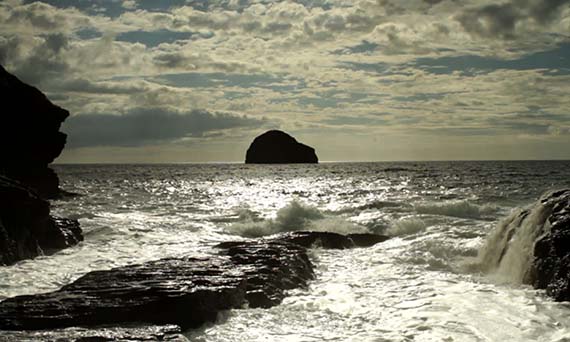
Otolith Group, Hydra Decapita (Still) 2010 | courtesy of the artists
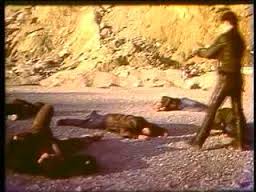
Otolith Group, Hydra Decapita (Still) 2010 | courtesy of the artists

Hito Steyerl „November“

steyerl_november

In November erzählt Hito Steyerl die Geschichte ihrer einst besten Freundin Andrea Wolf, bevor Wolf in den Untergrund geht, sich der PKK anschließt und im Kampf gegen die türkische Regierung ums Leben kommt. Ein Film über die Wirkmacht von Bildern im digitalen Zeitalter, ihre Rolle in der Konstruktion von Identität und die Frage, wie wir ohne die Wahrheit der Bilder noch politisch sein können.

Read More

Emus in the ‚Zone‘ – Chris Markers „Sans Soleil“ als visueller Sprengstoff von Geschichte

Emus in the ‚Zone‘ – Bild des utopischen Zustands, mythologische Kristallisation eines ‚Ortes‘ jenseits des Raum-Zeit-Kontinuums, in dem die Trennung zwischen Fakt und Fiktion, zwischen Realität und Freiheit vollständig aufgehoben bzw. eingerissen ist, als Fluchtpunkt des Heterogenen. Mit dem „freien Spiel“ nach Schiller über Schlegels „Universalpoesie“ bis hin zur Rolle der Kunst bei Adorno und dem messianischen Geschichtsdenken bzw. „dialektischem Bild“ bei Benjamin sind noch weitere verwandte ‚Orts’markierungen im Umlauf.

Still from Sans Soleil (1983), by Chris Marker

Still from Sans Soleil (1983), by Chris Marker

Read More

Black Audio Film Collective

1982 gegründet, stellt das Black Audio Film Collective bis zu seiner Auflösung 1998 eine der einflussreichsten Künstlergruppen Großbritanniens dar, insbesondere als Teil des Black British Arts Movement. Zum Black Audio Film Collective gehörten John Akomfrah, Reece Auguiste, Edward George, Lina Gopaul, Avril Johnson, David Lawson und Trevor Mathison.

BAFC 1989

BAFC 1989

Read More

Page 2 of 2

From an Identity of Passions&Powered by WordPress & Theme by Anders Norén